
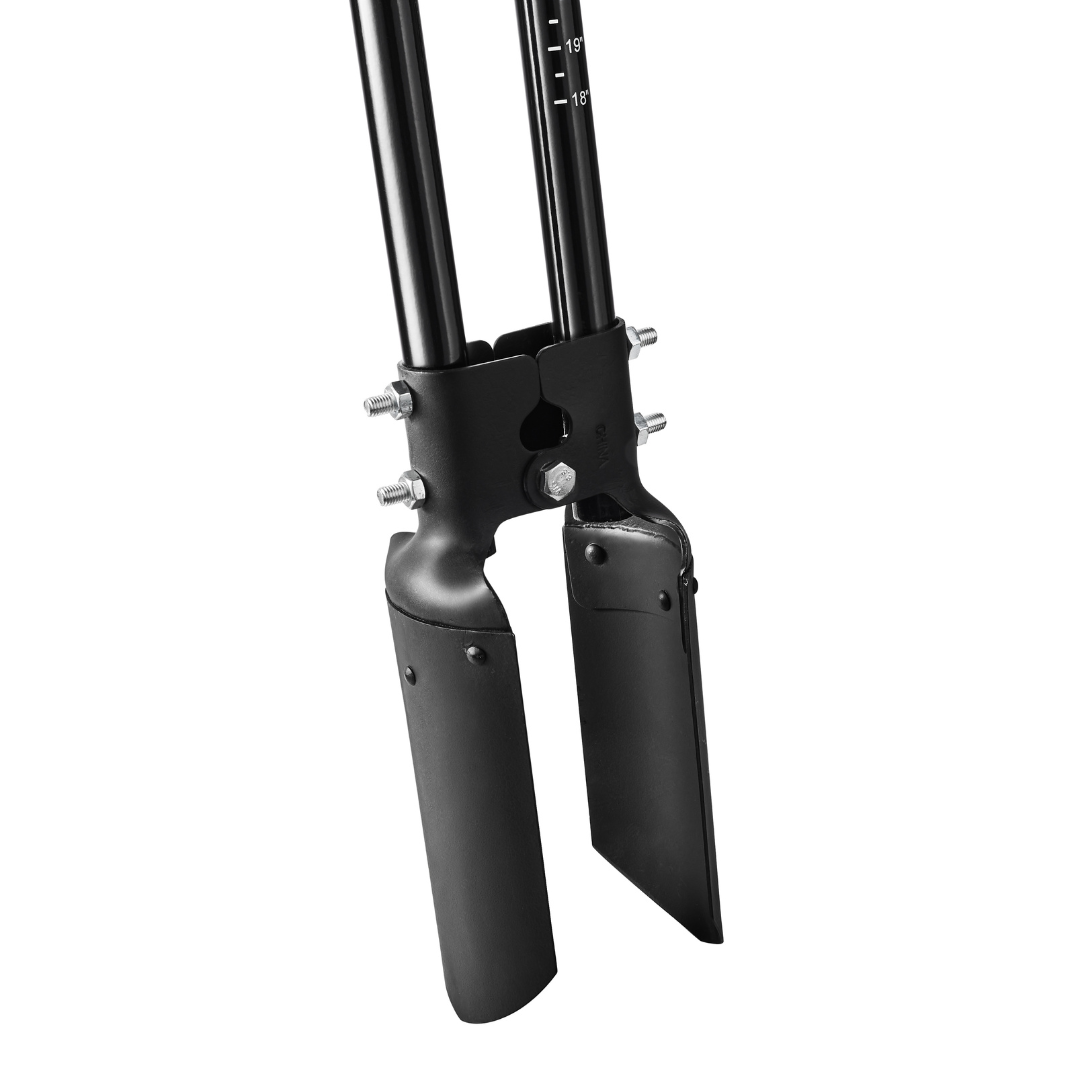
CKG Heavy-Duty Post Hole Digger
Meet the CKG Heavy-Duty Post Hole Digger
The CKG Heavy-Duty Post Hole Digger is a manual two-handle clamshell digging tool designed for creating clean, straight-sided holes with better control and less mess. It’s ideal for fence posts, mailbox installation, deck supports, tree planting, and other projects where a power auger feels excessive or difficult to manage. Here’s the thing: in compacted soil, clay, or root-heavy ground, leverage and blade strength matter more than raw speed. This digger focuses on control, durability, and predictable results.
Why This Digger Works
Heavy-duty steel scoops
The reinforced steel blades cut into compacted soil instead of simply smearing across the surface.
Reinforced hinge system
The heavy-duty hinge and through-bolt design help keep the jaws aligned, reducing wobble and creating cleaner, more consistent holes.
Long leverage handles
Extended handles improve digging power while reducing strain during deeper cuts.
Narrow clamshell profile
The slimmer blade design fits more easily between roots, rocks, and compact areas where wider diggers struggle.
Durable finish
Built to handle mud, wet soil, and regular rinsing without developing surface rust quickly. In real use, a slight twisting motion before closing the jaws helps the blades find natural seams in compacted ground and reduces overall effort.
Small Details That Make a Difference
- Handle spacing stays comfortable during lifting
- Mud clears easily from the hinge area
- The blade shape creates cleaner hole walls for easier post placement
- Compact digging cycles reduce unnecessary turf damage
What matters more is consistency. Cleaner holes mean easier leveling, straighter posts, and less wasted backfill.
Where It Performs Best
Fence installation
Keeps holes narrow and controlled without tearing up large sections of grass.
Mailbox and sign posts
Perfect for single-hole projects where dragging out an auger feels unnecessary.
Deck support holes
Works well in tighter spaces between existing structures.
Tree planting and landscaping
Allows more precise digging around roots and compacted soil areas.
General yard work
Quiet operation makes it practical for early morning or residential projects. Small field note: shorter digging cycles usually work better than trying to overload the jaws with heavy clay.
How to Use It (Step-by-Step)
- Mark the hole center
Use spray paint, a stake, or a shovel mark to define the exact digging point.
- Position the digger
Place the open jaws over the center mark with the handles slightly spread apart.
- Drive the blades down
Push downward firmly using body weight. In harder soil, a small controlled hop helps drive the blades deeper.
- Close the handles
Bring the handles together while the blades remain buried to trap soil inside the jaws.
- Lift and clear
Pull straight upward and dump the soil onto a tarp or pile beside the hole.
- Repeat gradually
Continue digging in short cycles while checking depth and alignment regularly.
- Handle roots carefully
For larger roots, dig around them or cut them separately with a saw instead of forcing the blades. Tip: in wet or muddy conditions, work in stages and allow water to settle instead of over-digging unstable soil.
Who Might Not Need It
- Contractors drilling dozens of holes daily
- Users working mainly in extremely rocky terrain
- Large-scale projects better suited for powered augers
- Shallow landscaping work where a standard shovel is enough
For high-volume or deep rocky drilling, a gas or electric auger will usually save more time.
How to Choose the Right Tool
Soil conditions
Clay and compacted fill benefit most from heavy-duty steel blades and longer leverage handles.
Number of holes
For smaller projects, manual digging keeps setup simple and cleanup easier.
Tight spaces
Manual control works better near fences, roots, walls, and utility areas where augers become difficult to manage safely.
Noise considerations
Manual tools allow quieter work in residential neighborhoods without fuel, cords, or engine noise.
Care and Storage
- Rinse soil off after use
- Dry before long-term storage
- Apply light oil to the hinge periodically
- Avoid storing the tool with debris trapped inside the jaws
Simple maintenance keeps the hinge moving smoothly and helps extend the life of the blades.
What You’ll Notice During Use
The holes stay cleaner and more controlled compared to oversized auger cuts. Posts sit straighter with less correction, and the surrounding lawn stays more intact. The digging rhythm also feels more manageable over time. Short, efficient digging cycles reduce fatigue compared to wrestling oversized scoops full of wet soil. The CKG Heavy-Duty Post Hole Digger is a straightforward, reliable tool built for controlled digging in real-world yard and landscaping conditions.