
Dry Sand Scoop for Faster Beach Finds
All for Metal Detection. Find More. Fill More.
CKG creates practical gear for people who love metal detecting, beach hunting and outdoor treasure recovery. Our sand scoops, shovels, handles and accessories are made to help detectorists search longer, recover targets faster and enjoy every hunt with more confidence.
From dry sand to wet beaches, from casual weekend searches to serious detecting sessions, CKG tools are built for real conditions and real finds.
Find more. Fill more. Hunt with CKG.
Featured collection
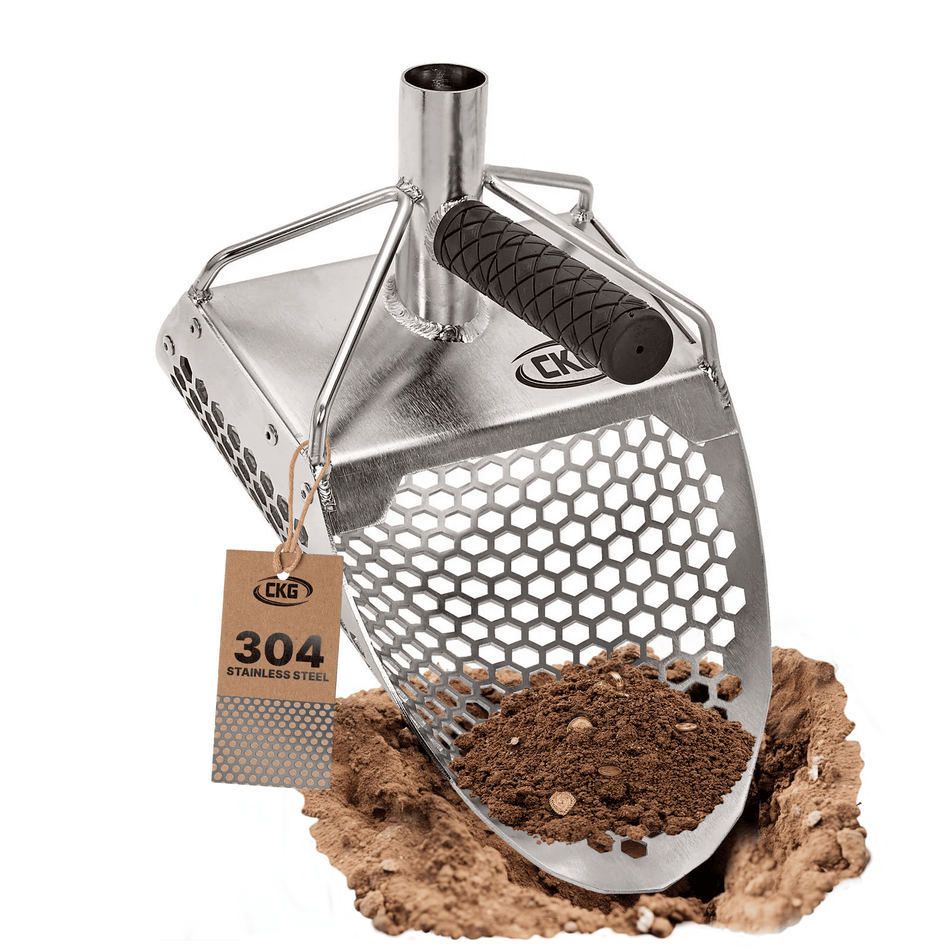
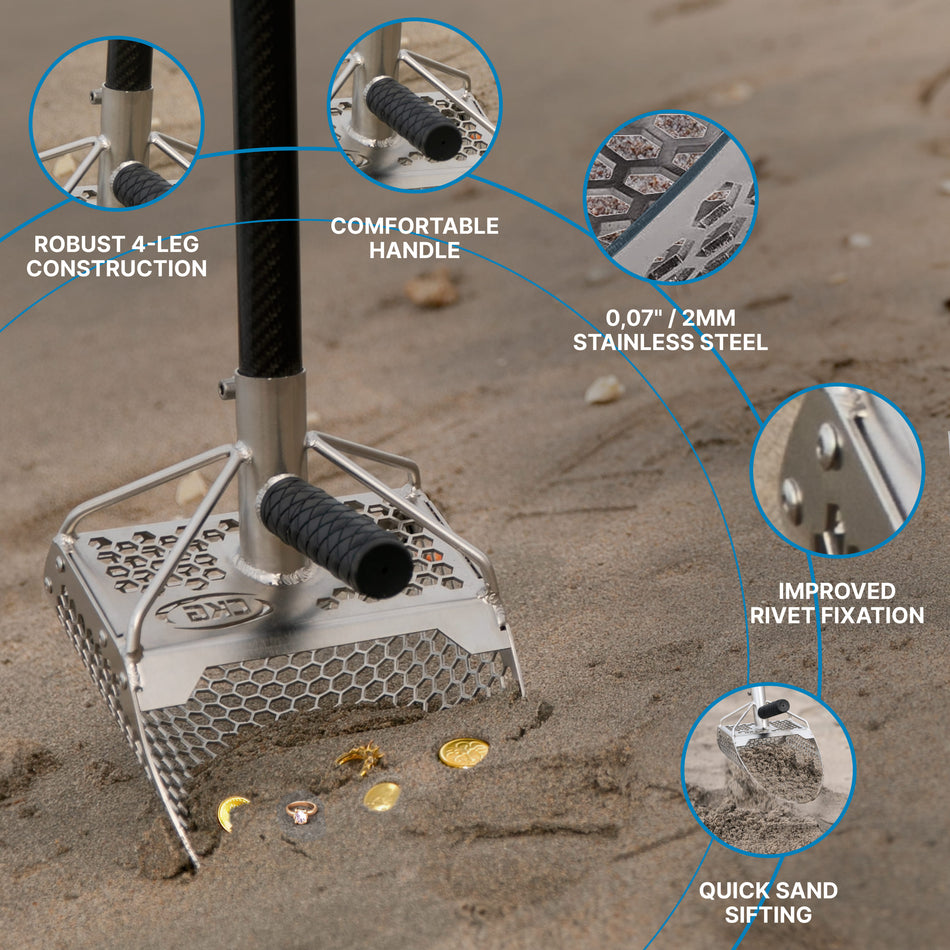


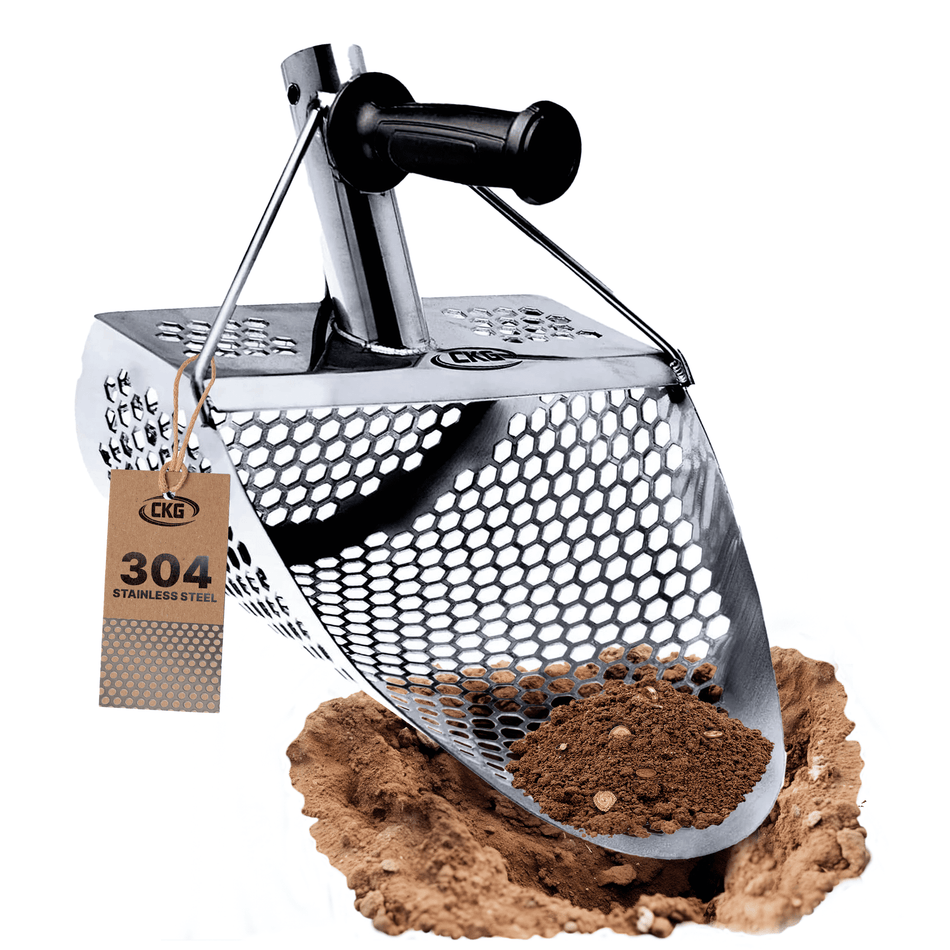
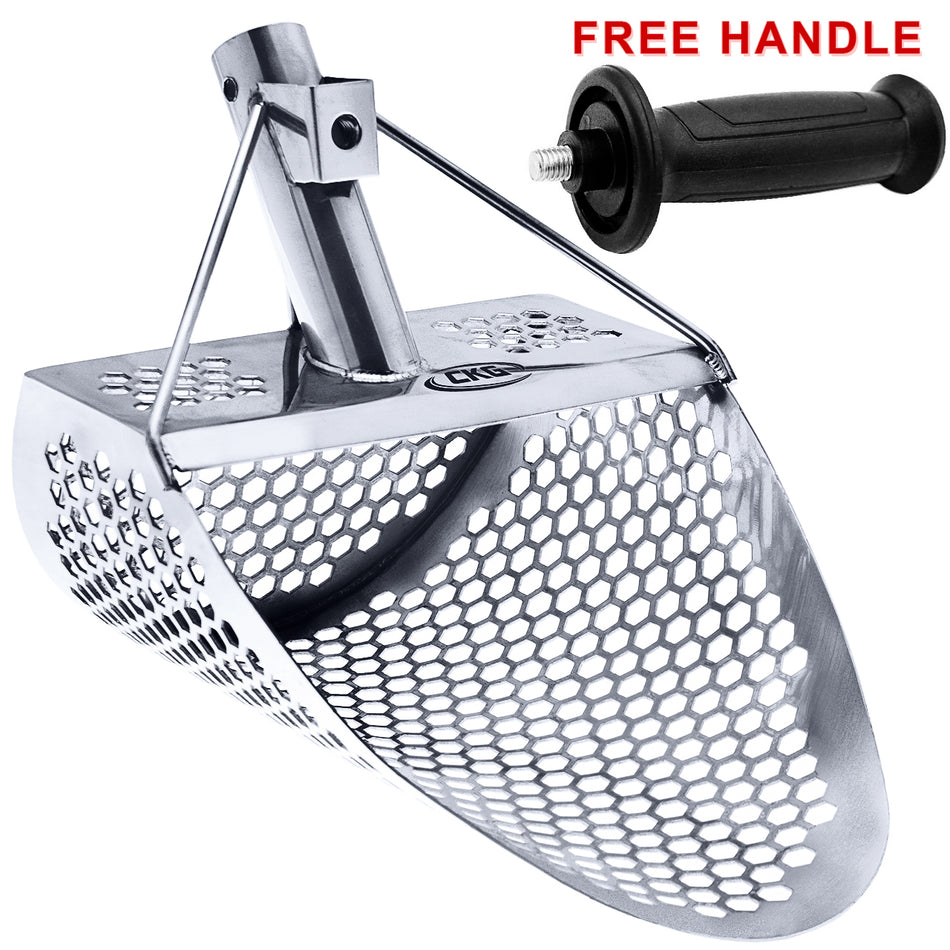


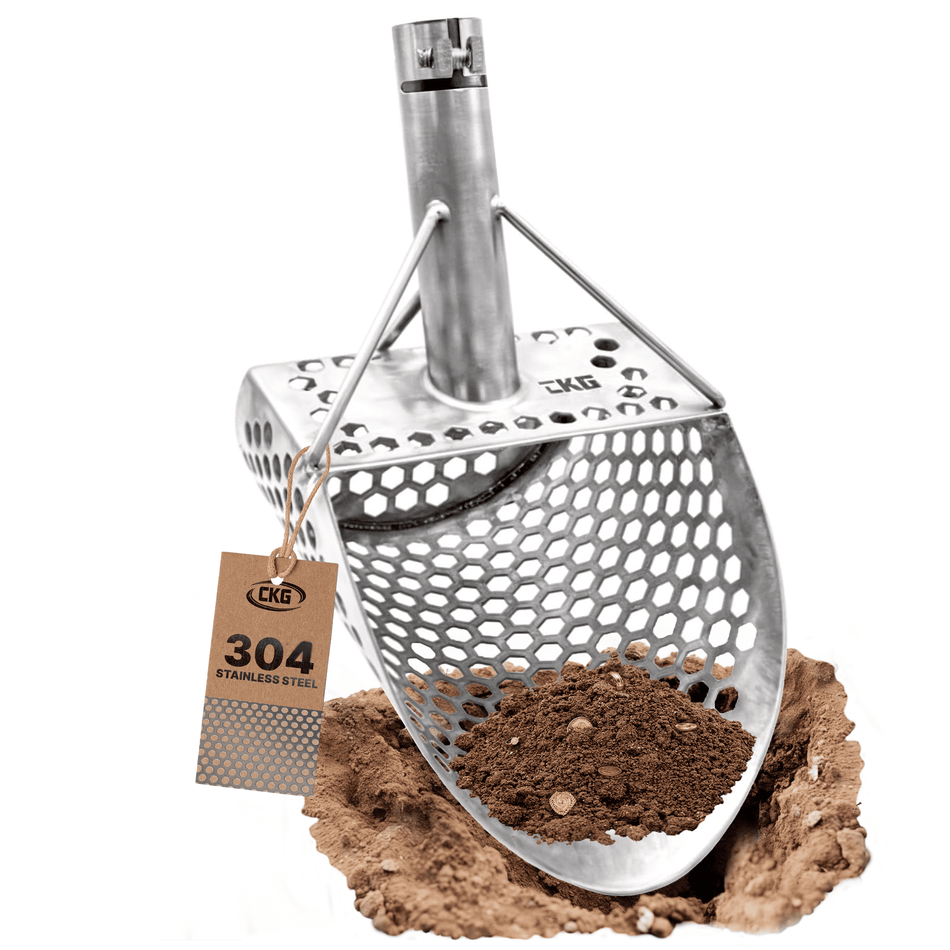
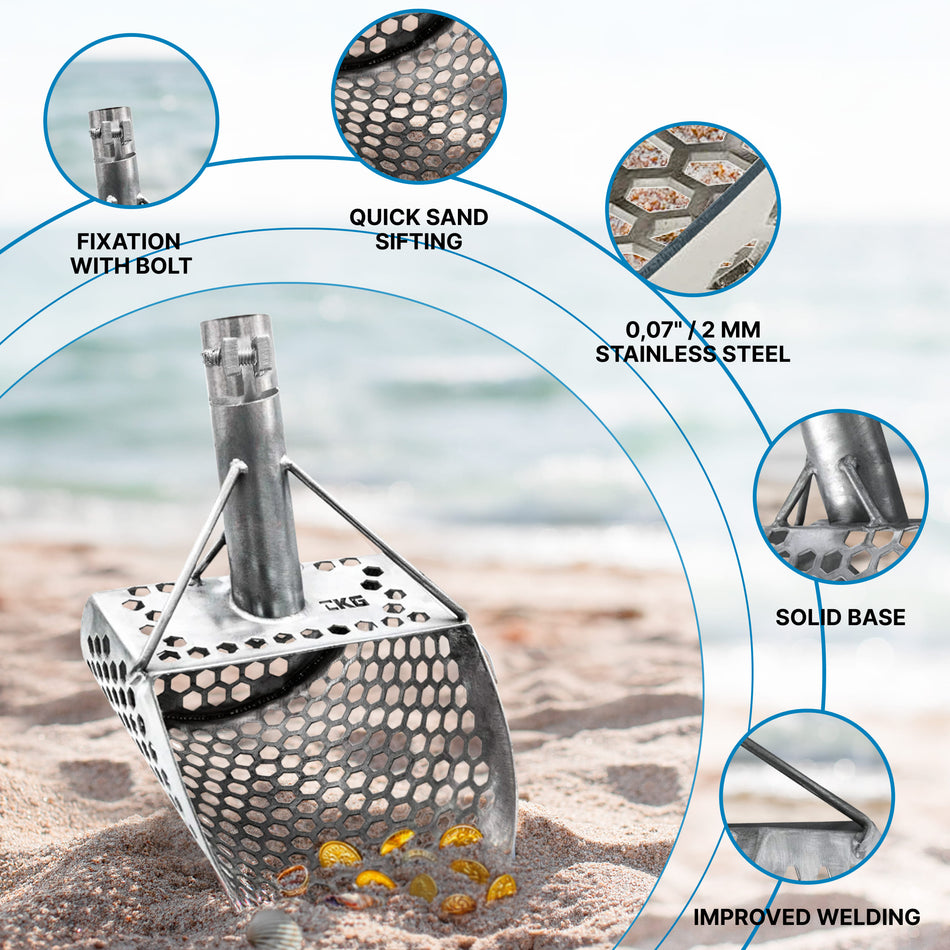


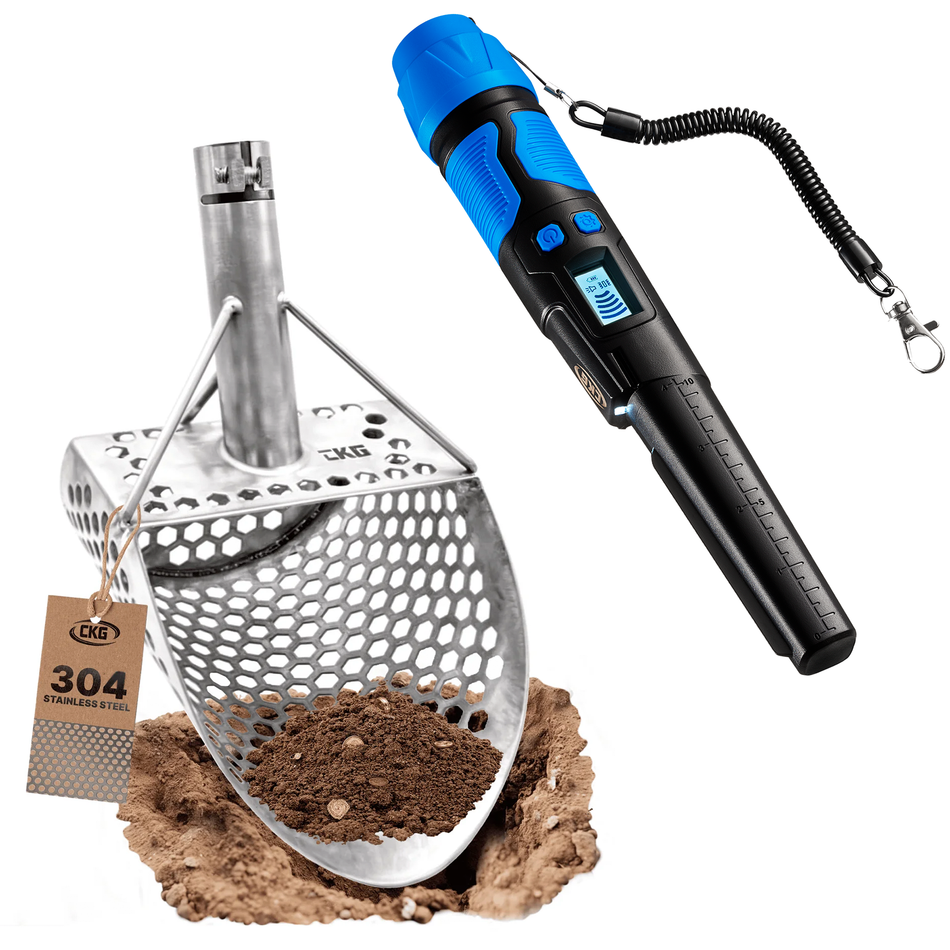
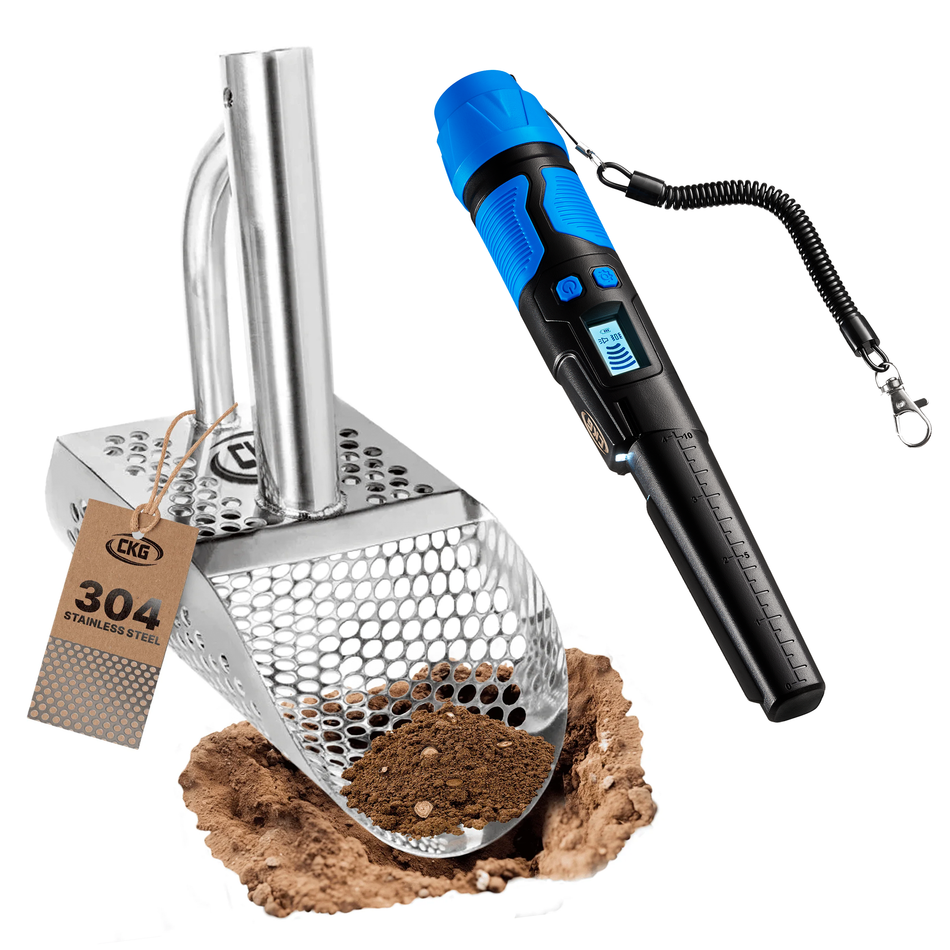


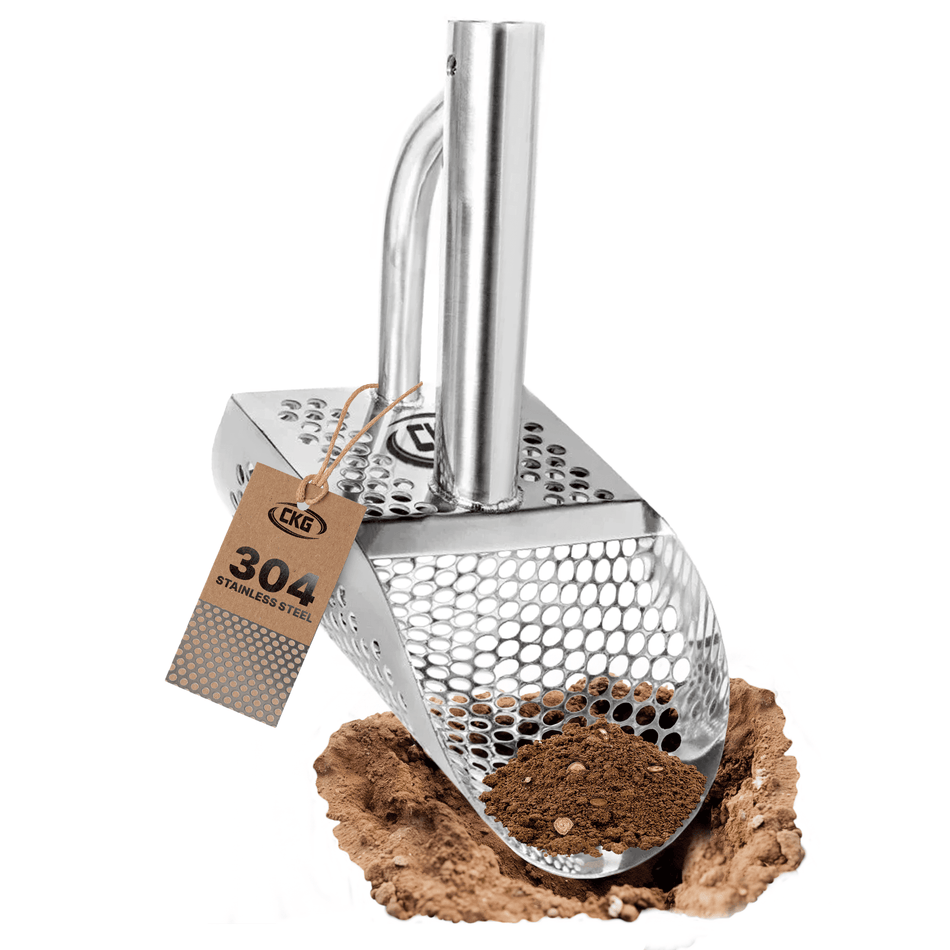
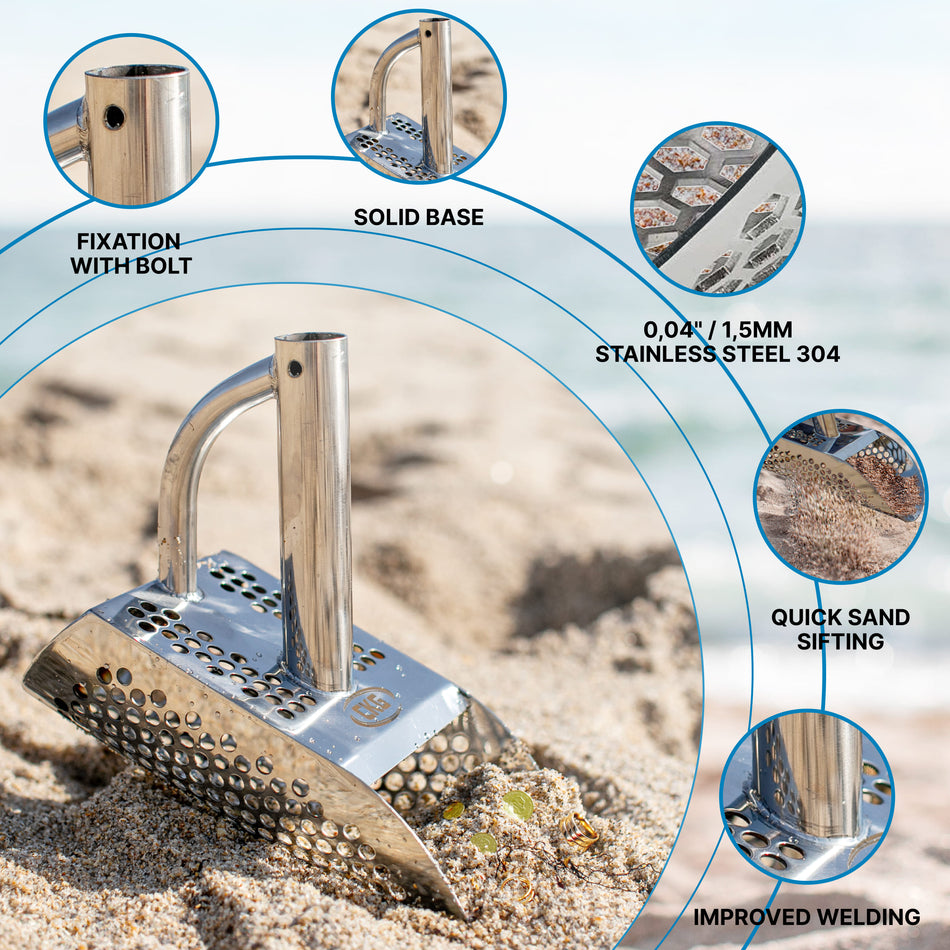

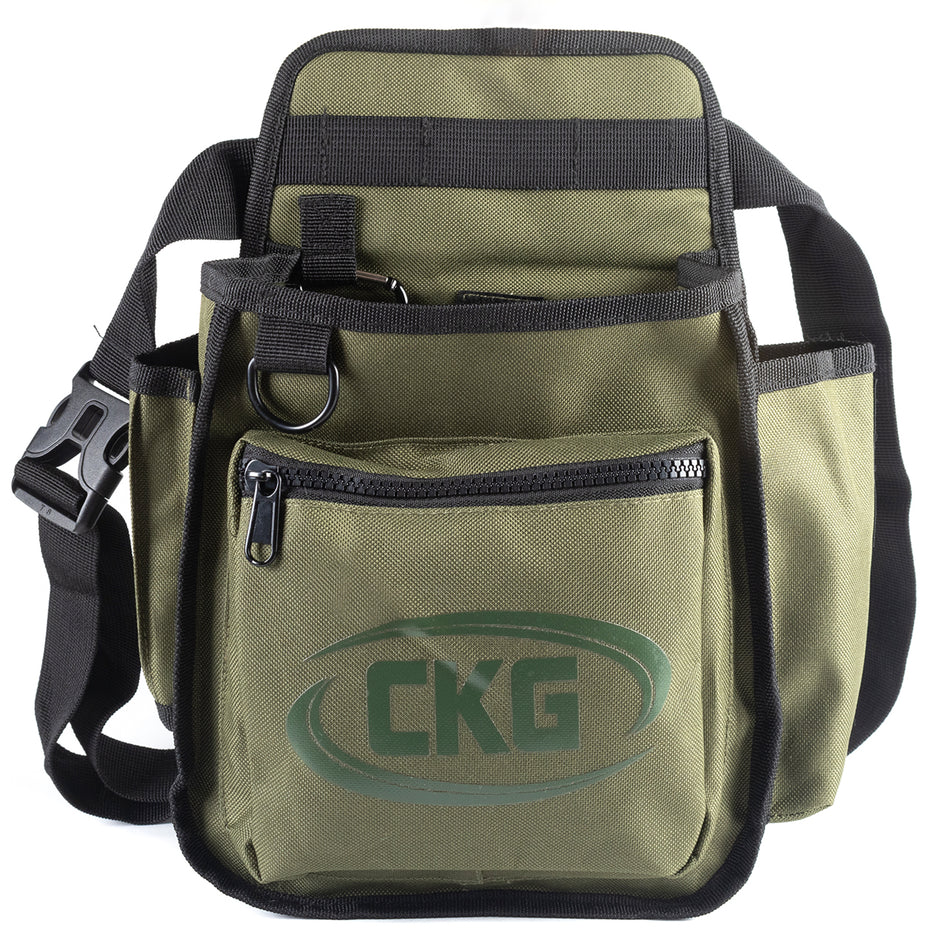


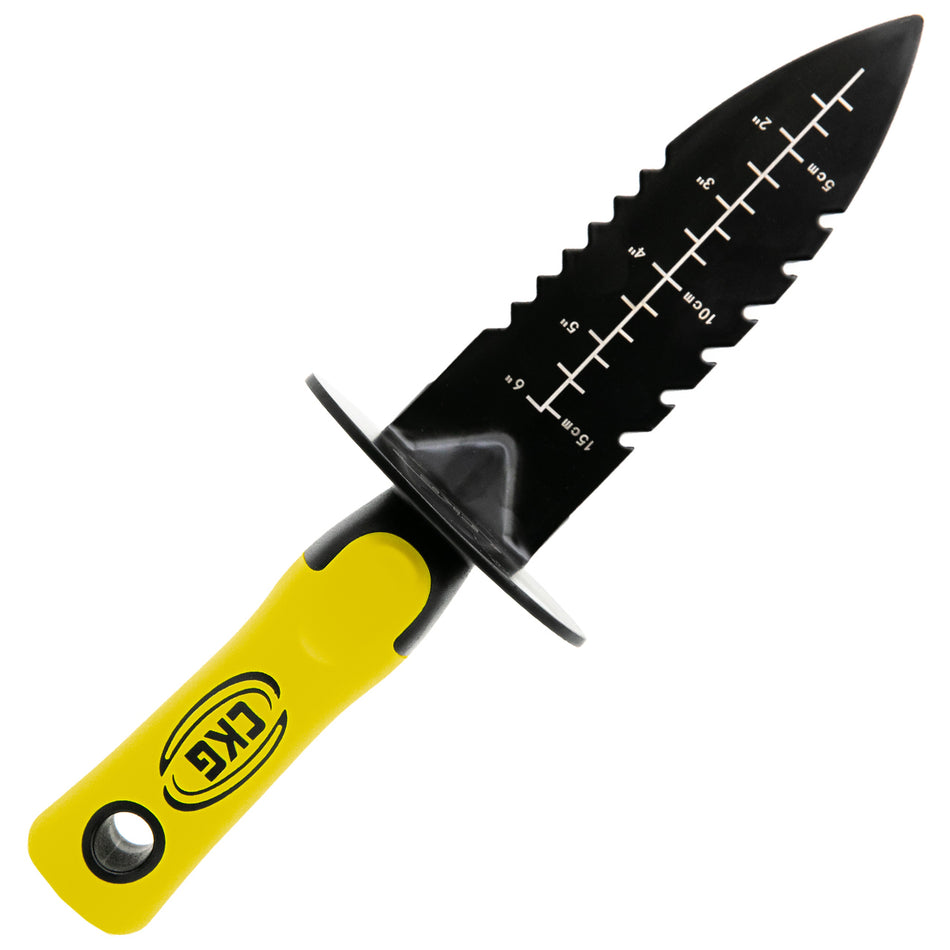
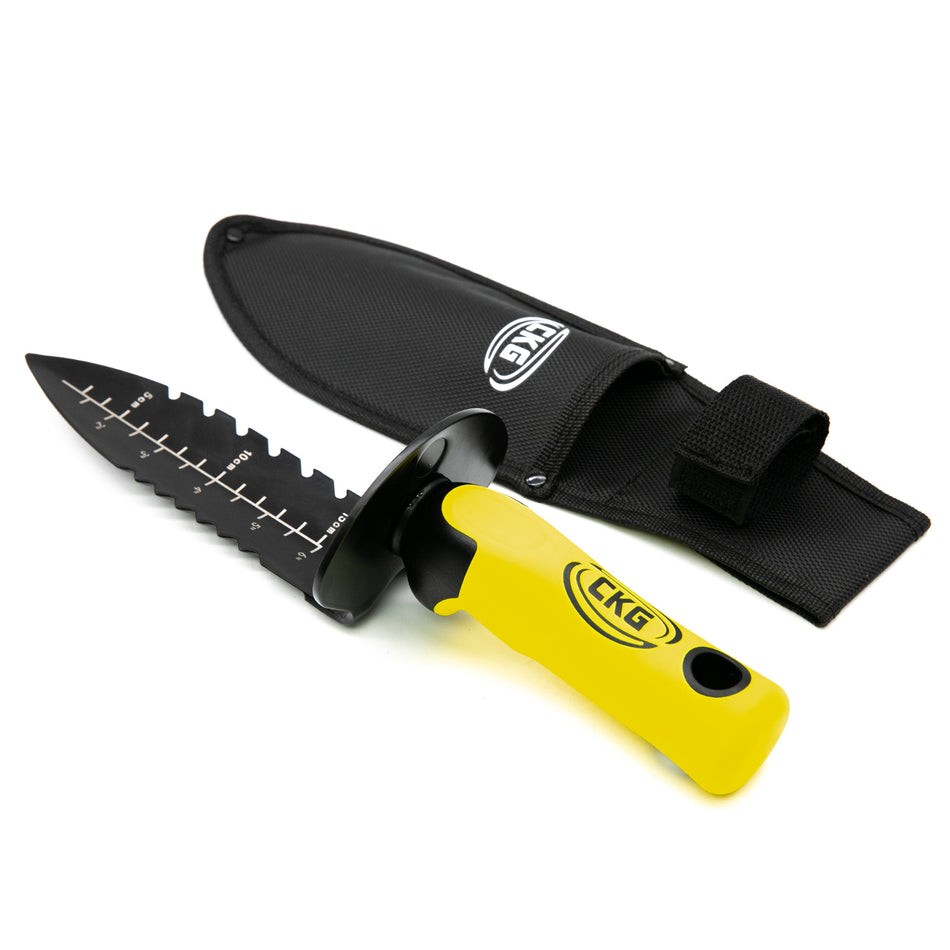


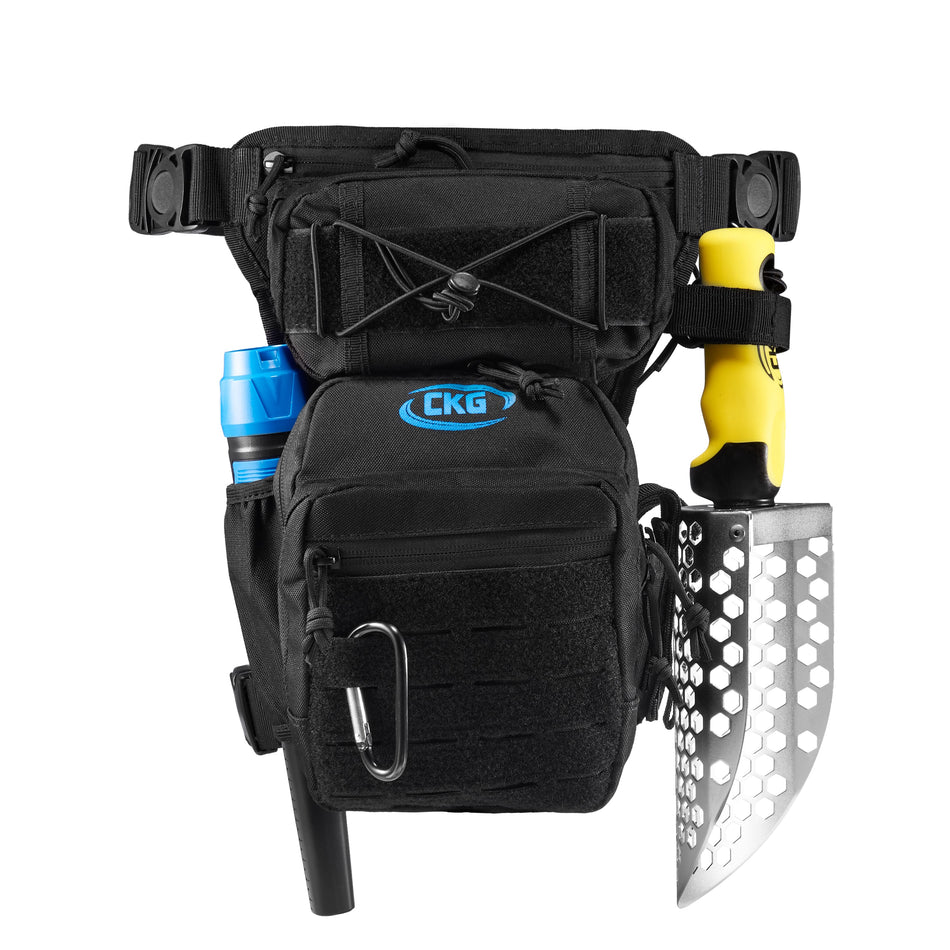
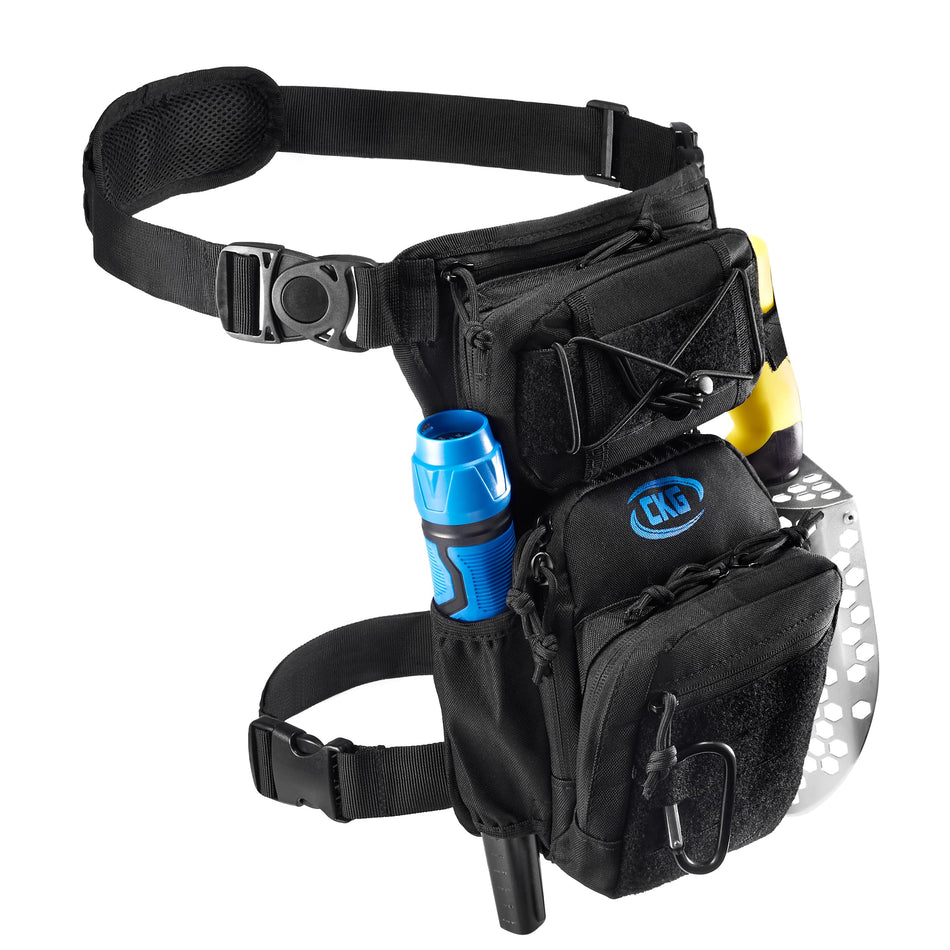


Choose the Right Metal Detecting Gear


How to choose
-
For dry sand
Choose a lightweight scoop with fast sifting holes. It will be easier to carry and use during long beach walks.
-
For wet sand
Pick a stronger scoop with a reinforced basket. Wet sand is heavier, so the scoop should feel stable when lifting material.
-
For shells, gravel and pebbles
Use a durable metal scoop with holes that allow sand to fall through while keeping coins, rings and jewelry inside.
-
For shallow water detecting
A long handle and corrosion-resistant material are more important. This helps you recover targets without bending too much.
-
For long detecting sessions
Titanium is a good premium choice because it keeps the setup lighter. Stainless steel is a strong and more affordable option for regular use.
Video
Video
Video
Video
Video
Dry Sand Scoop for Faster Beach Finds
A dry sand scoop is one of the most useful tools for beach metal detecting, especially when the sand is loose, soft and easy to move. Many detectorists spend a lot of time choosing a detector, but the recovery tool matters too. When signals come one after another, a good sand scoop for dry sand can make the hunt faster, cleaner and much more comfortable.
Dry sand is easier to work than wet sand. It usually falls through the scoop quickly, so you can separate the target without much effort. Still, not every scoop works well on the beach. If the basket is too heavy, too small or slow to sift, even shallow targets can take longer than they should. A proper dry beach sand scoop is designed to lift sand, shake it out and keep coins, rings, jewelry and other targets inside the basket.
For dry beach detecting, speed matters. Busy beach areas, towel lines, volleyball spots and walkways often have fresh drops that are still close to the surface. These can include coins, earrings, rings, pendants and other small items lost during the day. A dry sand metal detecting scoop helps you recover those targets quickly and keep moving while the area is still productive.
Why a Lightweight Sand Scoop Works Well in Dry Sand
A lightweight sand scoop is often the best choice for loose sand. Dry sand does not usually require the same strength as wet sand, packed shells or shallow water. The main goal is not heavy digging. The goal is fast target retrieval.
A lightweight beach scoop is easier to carry during long walks across the beach. After a few hours, the weight of your detector, pouch, pinpointer and other detectorist beach gear starts to add up. A lighter scoop helps reduce fatigue and keeps the search more enjoyable.
A lightweight metal detecting scoop also makes repeated recoveries easier. On a busy beach, you may dig dozens of signals in a short time. Some will be good finds, many will be trash, and a few may be worth the whole trip. A scoop that is easy to lift and shake helps you check each target without wasting energy.
For many beach hunters, a lightweight sand scoop with handle is even better. A comfortable long handle means less bending, which can make a big difference during long hunts. It helps you recover targets while standing, instead of crouching or kneeling after every signal.
Fast Sifting for Quick Recovery
A fast recovery sand scoop should clear dry sand almost immediately. The basket should have enough open space for sand sifting, but still hold small targets. This is where fast sifting holes and a good basket shape become important.
An easy sift sand scoop makes the recovery process simple: scoop the sand, give the basket a quick shake, check what remains and move on. When the scoop works well, loose sand falls away quickly while coins, rings and jewelry stay inside. This is exactly what you want during dry sand hunting.
A fast sifting sand scoop is especially useful around the towel line. This is where people sit, stand up, shake towels, apply sunscreen, play with kids and lose small items without noticing. A sand scoop for towel line detecting should be quick, light and easy to handle because the signals can be close together.
For coin recovery, a quick recovery sand scoop for coins helps you move fast through common targets. For ring recovery and jewelry recovery, the scoop should also be controlled enough to keep smaller finds from slipping away. Fast does not mean careless. The best dry sand scoop gives both speed and control.
Sand Sifter Scoop for Metal Detecting
A sand sifter scoop is made to separate sand from the target. That may sound obvious, but it is the main reason a real beach scoop works better than a random digging tool. With the right scoop, sand falls through the basket and the target stays where you can see it.
A sand sifter for metal detecting should feel natural in dry sand. You should not need to fight with the basket or shake it for too long. A good sifting sand scoop lets you recover shallow targets with a few simple movements. This helps keep the rhythm of the hunt going.
A sifter scoop metal detecting setup is also useful when you are working large areas of soft sand. If each recovery takes less time, you can cover more ground before the beach gets crowded again or before the tide changes your plan. For beach treasure hunting, that extra ground can matter.
A beach sifter scoop with a lightweight basket is often enough for dry sand. If you mostly hunt loose sand above the waterline, you do not always need the heaviest scoop on the market. A dry beach sand scoop for jewelry recovery should be light, quick to shake and comfortable enough for repeated use.
Best Sand Scoop for Dry Sand
The best sand scoop for dry sand depends on how and where you hunt. If you search mostly in soft sand, a light scoop with a large hole pattern can be a good choice. It lets sand fall through quickly and helps with clean recovery.
If you hunt crowded beaches, recovery speed is even more important. A sand scoop for fast target recovery can help you check more signals in less time. This is useful in beach towel areas, near entrances, around snack stands and other places where people spend time.
A lightweight sand scoop for dry beach hunting should also be easy to carry. Some detectorists prefer a long handle because it saves their back. Others like a more compact scoop because it is easier to transport. The right choice depends on your own style, but the tool should not slow you down.
For beginners, a dry sand scoop for metal detecting is one of the most practical accessories to add early. It does not need to be complicated. A simple, lightweight, fast sifting scoop can make the first beach hunts much easier and more enjoyable.
Dry Sand Scoop vs Wet Sand Scoop
Dry sand and wet sand behave very differently. Dry sand is loose and usually clears quickly. Wet sand is heavier, sticky and harder to sift. Because of this, a sand scoop for dry sand can focus more on speed and comfort, while a wet sand scoop usually needs more strength.
A metal detecting sifter scoop for loose sand should not feel overbuilt or awkward. In dry sand, the best tool is often the one that lets you move quickly from signal to signal. You want quick digging, easy shaking and clean recovery.
If you often move from dry sand into wet sand or shallow water, you may need a stronger scoop. But if most of your hunting happens in dry beach areas, a lightweight beach scoop with handle can be more practical than a heavy-duty model.
The key is to match the scoop to the beach. A fast sifting scoop for dry sand is made for speed. A heavier scoop is made for tougher ground. Knowing the difference helps you choose the right tool instead of simply buying the biggest one.
Where a Dry Beach Sand Scoop Works Best
A dry beach sand scoop works best in loose sand zones where targets are usually shallow. Towel lines are one of the most common places to search. People drop coins, jewelry and small personal items while sitting, changing clothes or packing bags.
Busy beach areas can also produce fresh drops. These are targets lost recently, often before they have had time to sink deep. A sand sifting scoop is useful here because it keeps recovery fast and simple.
Soft sand near walkways, beach entrances and play areas can also be productive. A lightweight scoop allows you to cover these areas without carrying unnecessary weight. For long hunts, less fatigue means more time detecting and more chances to find something interesting.
Why the Right Scoop Matters
A dry sand scoop may look like a simple tool, but it affects the whole beach hunting process. A good scoop helps with quick target recovery, clean recovery and fast movement between signals. A poor scoop slows everything down.
The best dry sand scoop should be lightweight, easy to shake and comfortable to use. It should have a basket that clears loose sand quickly and a handle that does not make every recovery feel like extra work. When those details are right, beach detecting feels smoother.
For detectorists who want efficient recovery in dry sand, a sand sifter scoop is one of the most important pieces of gear. It saves time, reduces bending, helps with fast target retrieval and keeps the hunt moving. Whether you are looking for coins, rings, jewelry or everyday beach finds, the right dry sand scoop can make every trip more productive.