
Hand Sand Scoop for Metal Detecting
All for Metal Detection. Find More. Fill More.
CKG creates practical gear for people who love metal detecting, beach hunting and outdoor treasure recovery. Our sand scoops, shovels, handles and accessories are made to help detectorists search longer, recover targets faster and enjoy every hunt with more confidence.
From dry sand to wet beaches, from casual weekend searches to serious detecting sessions, CKG tools are built for real conditions and real finds.
Find more. Fill more. Hunt with CKG.
Featured collection
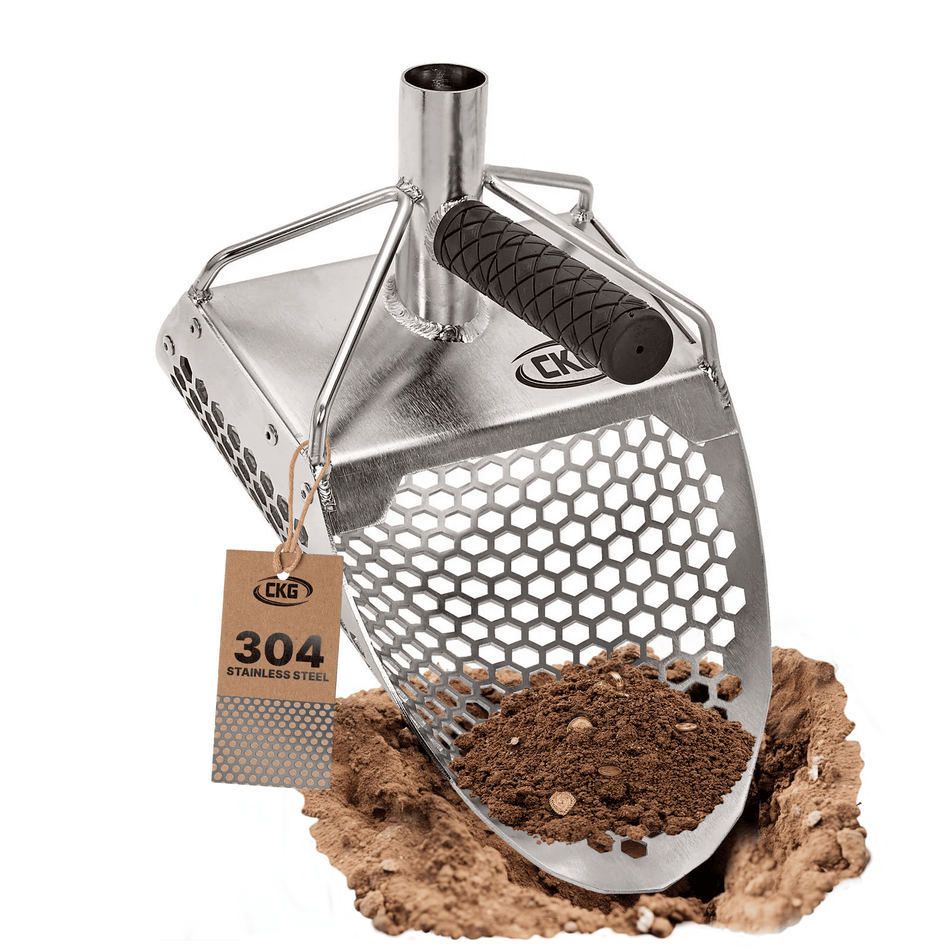
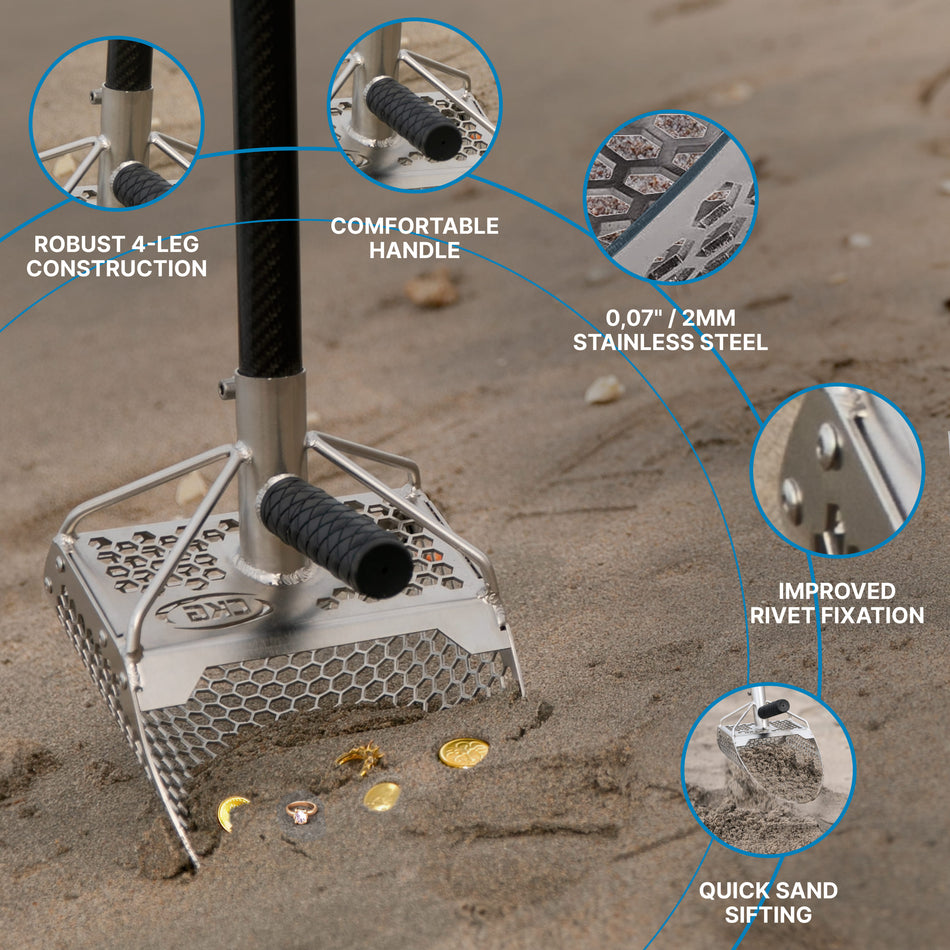


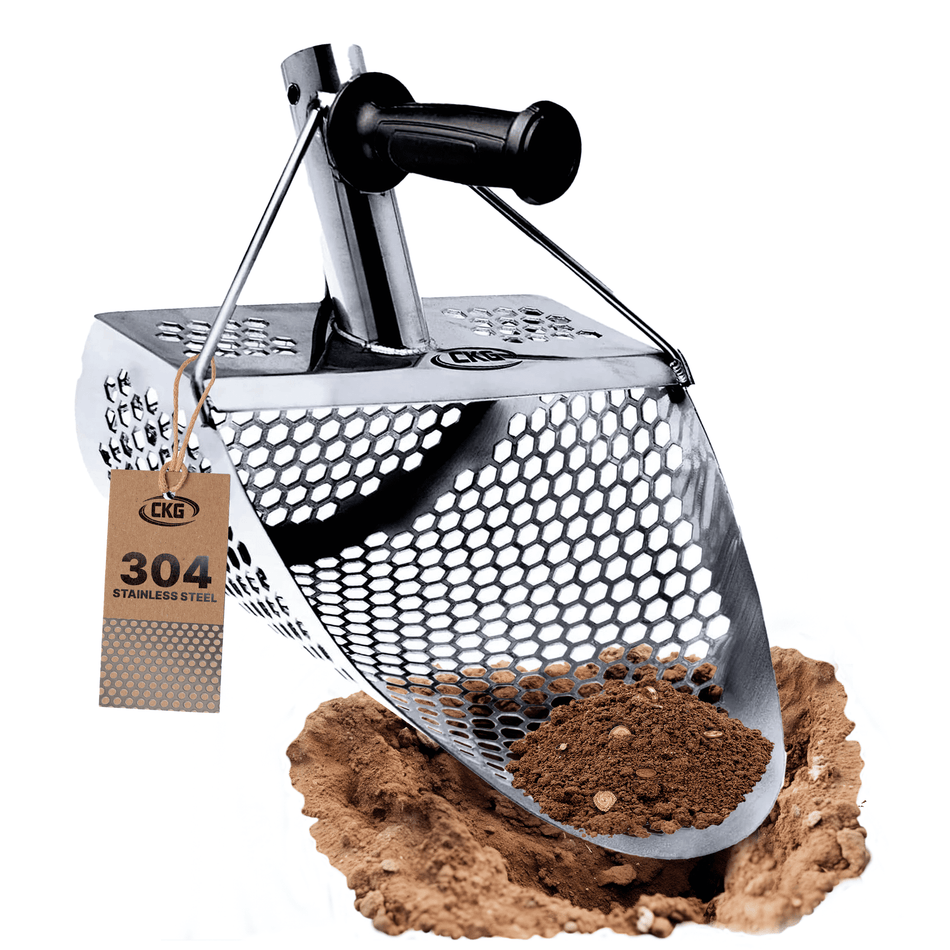
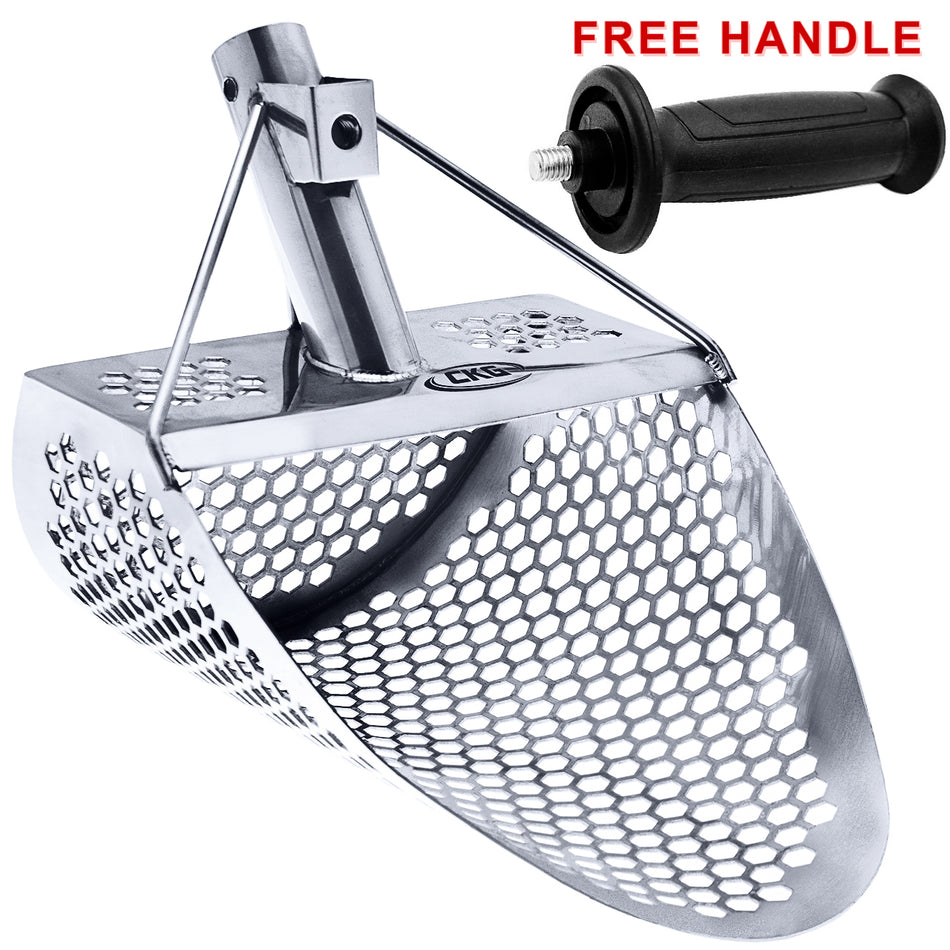


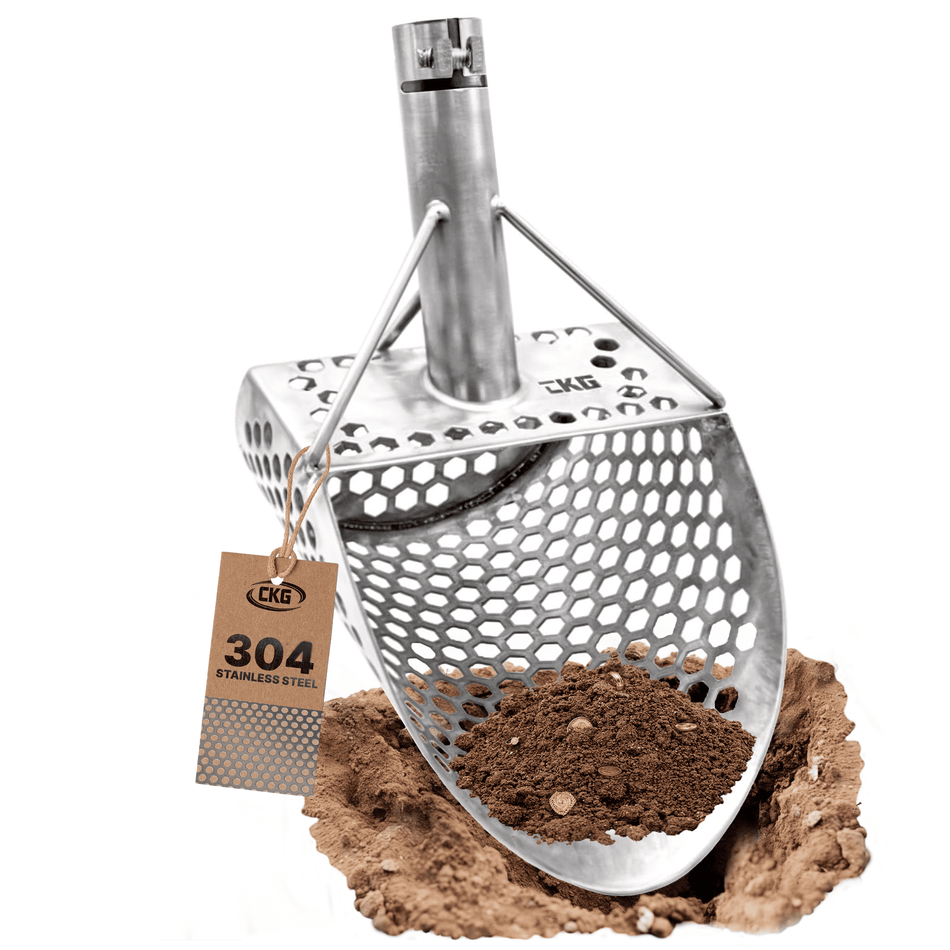
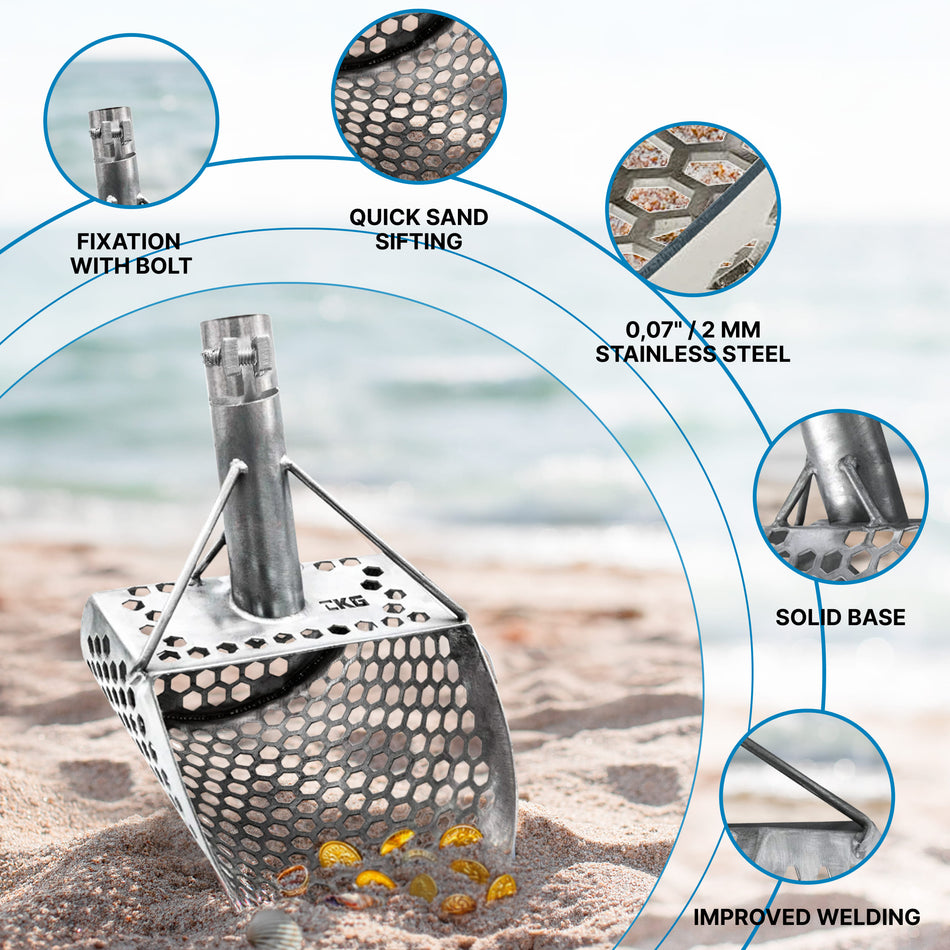


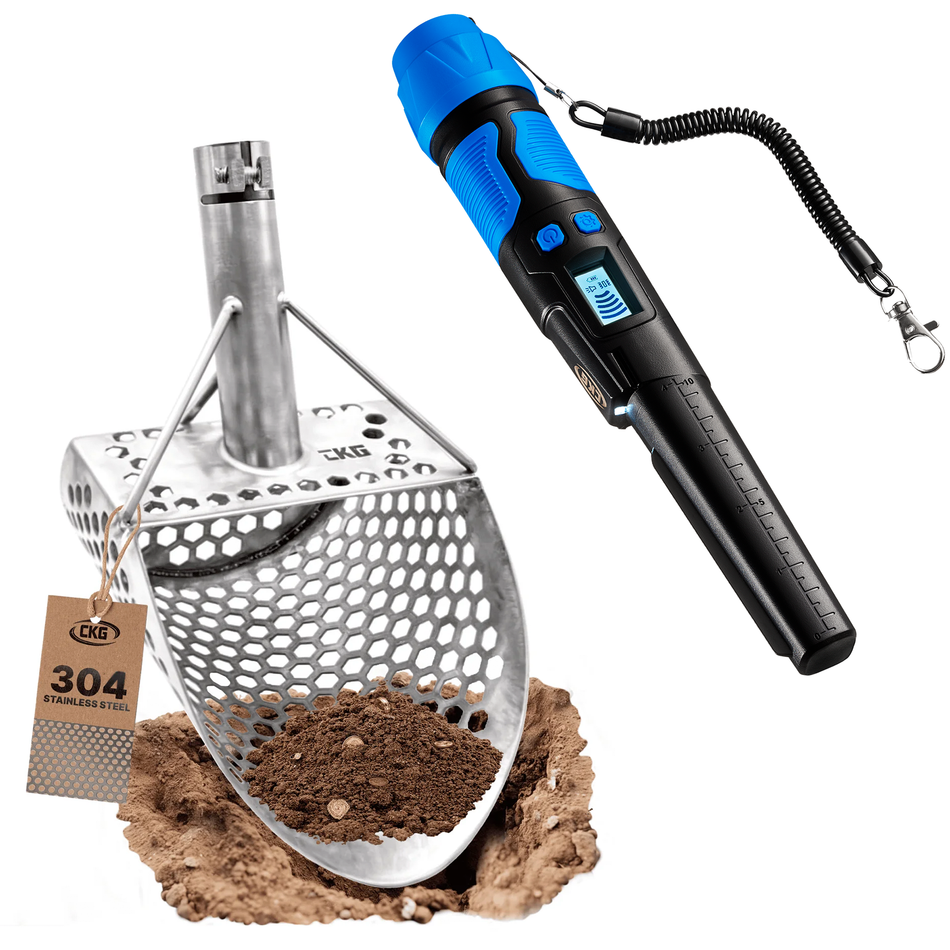
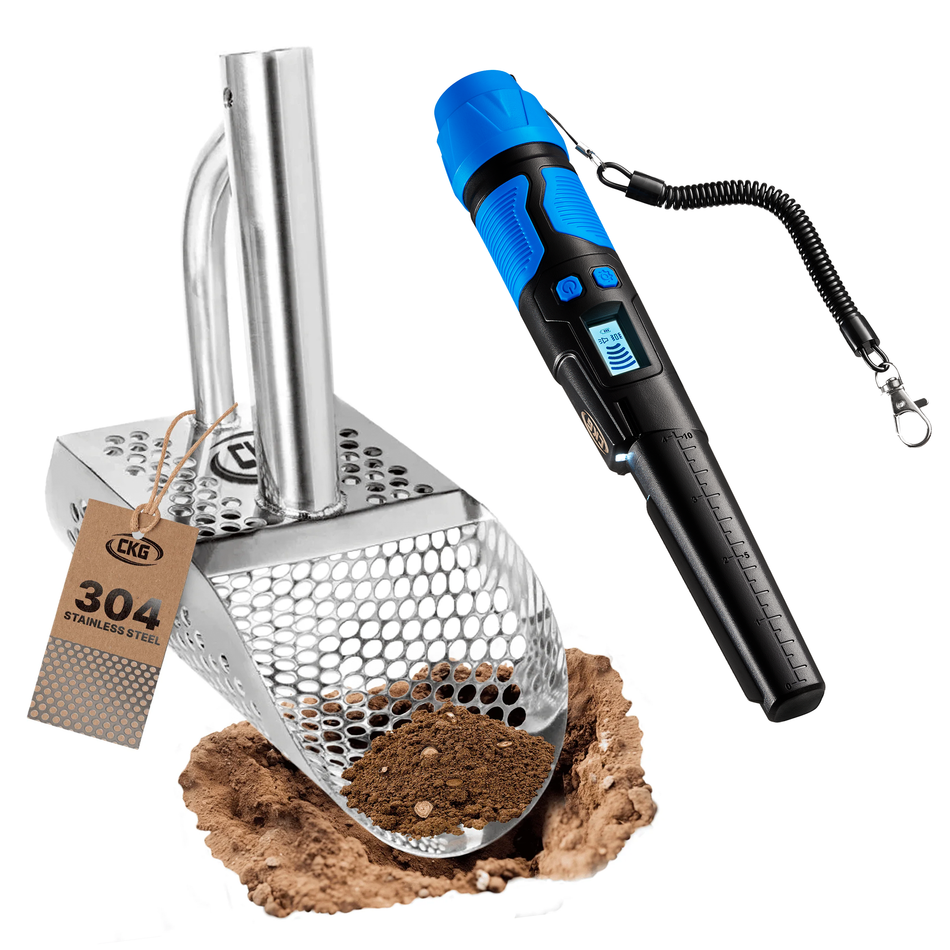





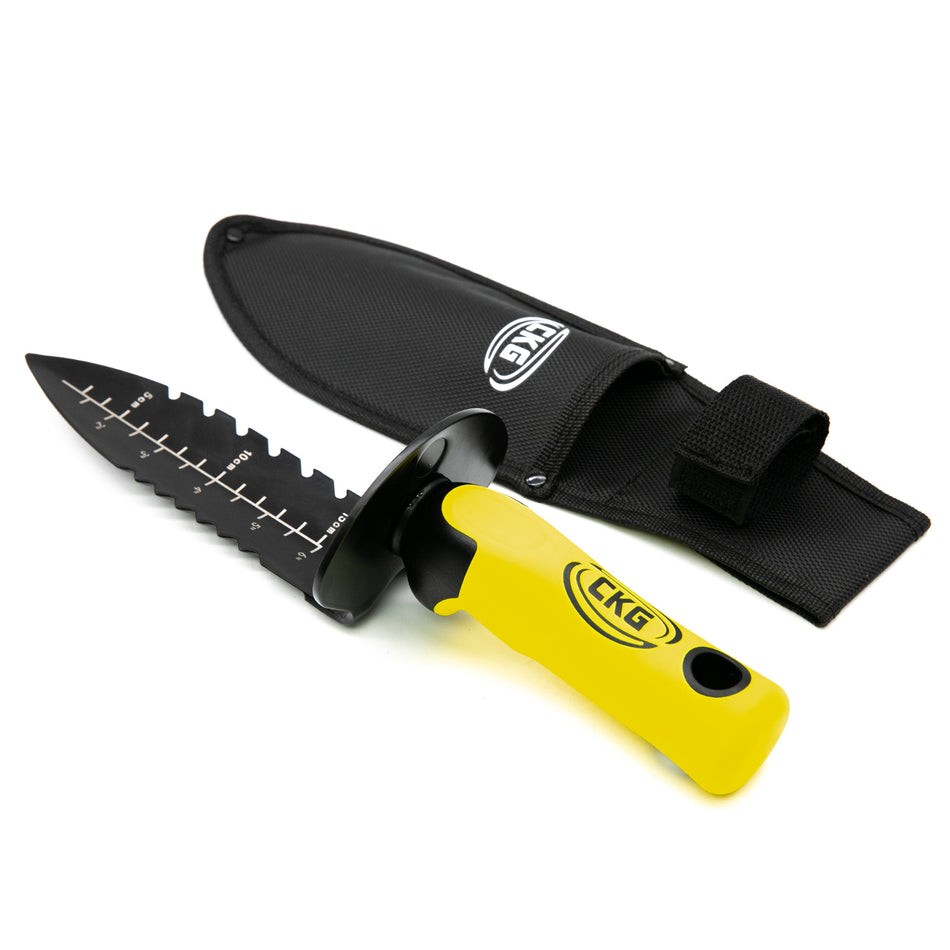


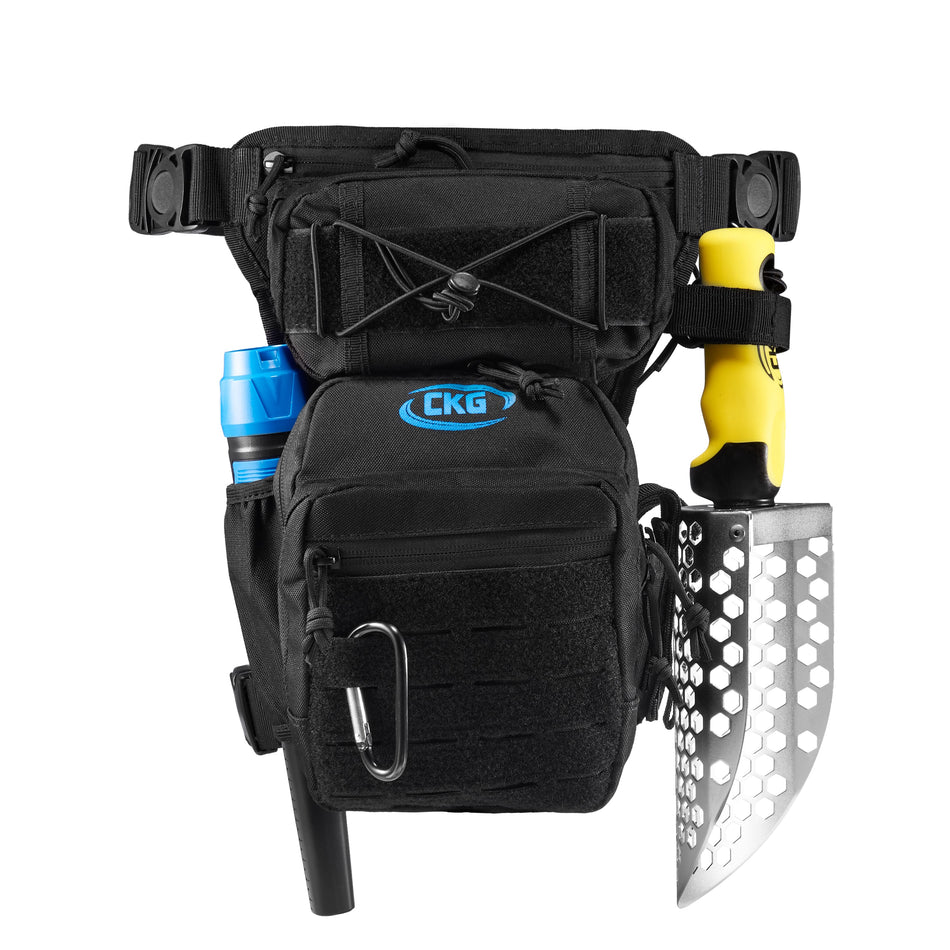
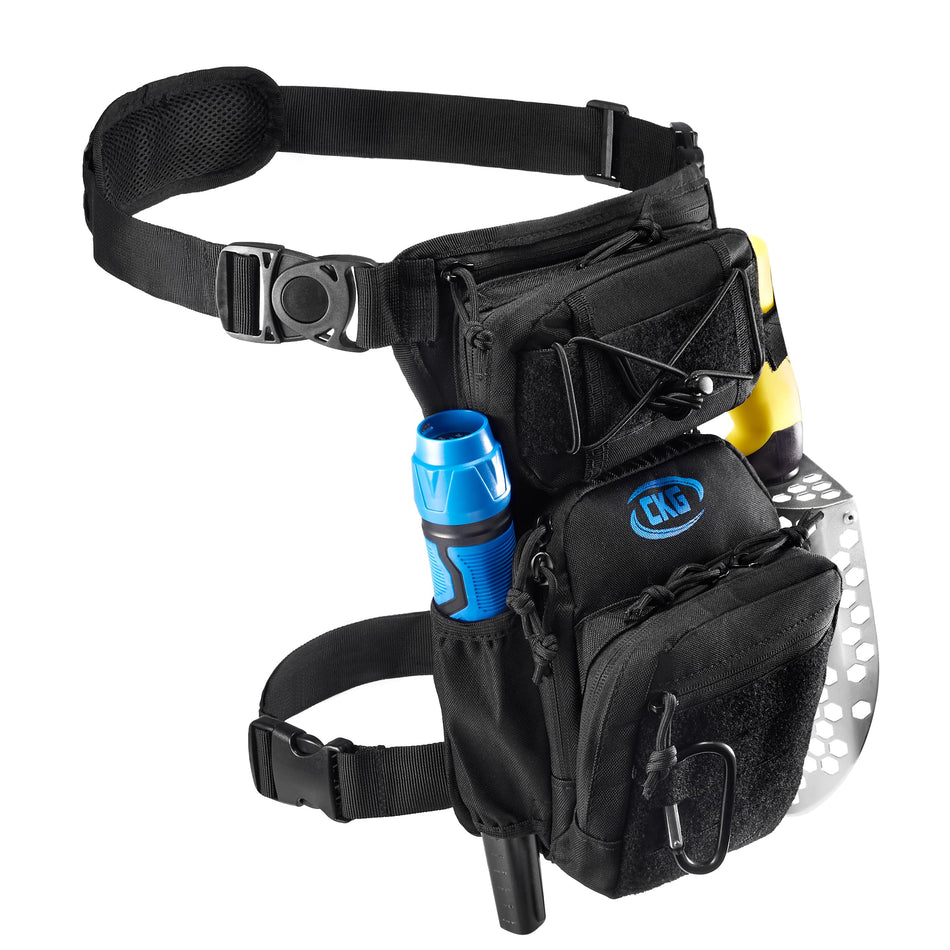


Choose the Right Metal Detecting Gear


How to choose
-
For dry sand
Choose a lightweight scoop with fast sifting holes. It will be easier to carry and use during long beach walks.
-
For wet sand
Pick a stronger scoop with a reinforced basket. Wet sand is heavier, so the scoop should feel stable when lifting material.
-
For shells, gravel and pebbles
Use a durable metal scoop with holes that allow sand to fall through while keeping coins, rings and jewelry inside.
-
For shallow water detecting
A long handle and corrosion-resistant material are more important. This helps you recover targets without bending too much.
-
For long detecting sessions
Titanium is a good premium choice because it keeps the setup lighter. Stainless steel is a strong and more affordable option for regular use.
Video
Video
Video
Video
Video
Hand Sand Scoop for Metal Detecting
A hand sand scoop is a simple tool, but on the beach it can save a lot of time. When you are metal detecting in dry sand, loose sand, or around the towel line, you do not always need a large long-handle scoop. Sometimes a small, lightweight and portable scoop is enough to recover targets quickly and keep moving.
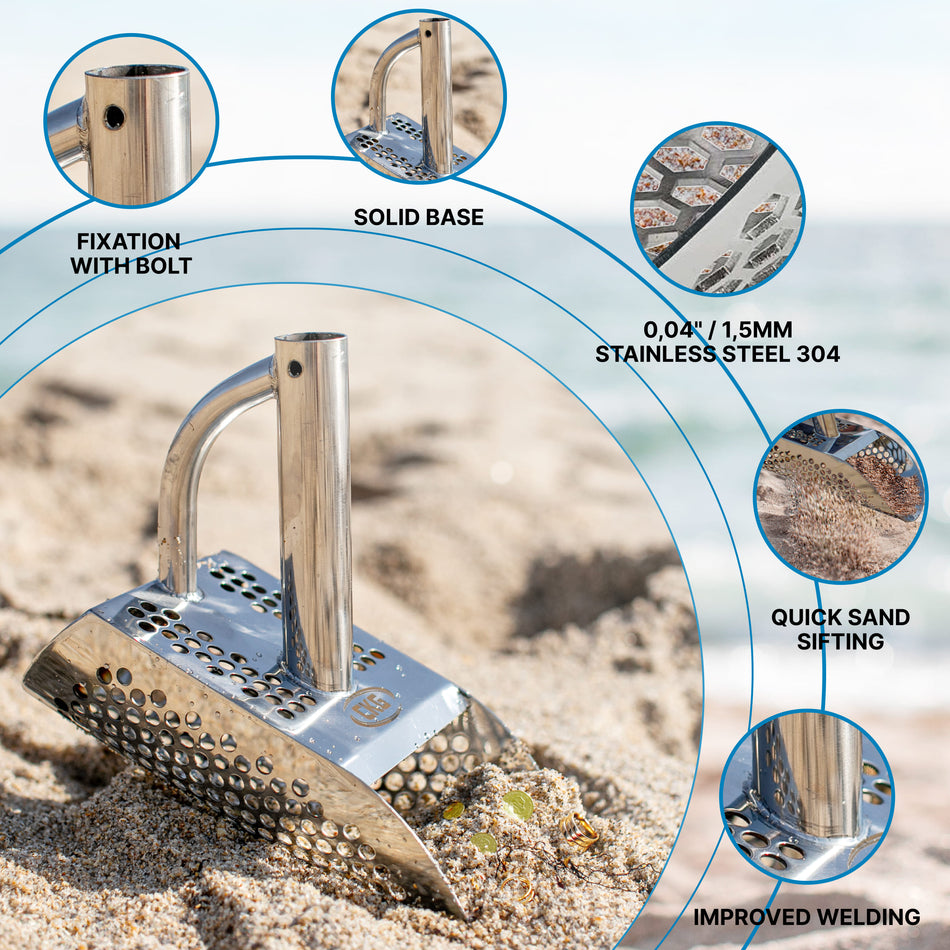
A hand sand scoop for metal detecting is made for easy target recovery in soft beach sand. You scoop the sand, give the basket a quick shake, and let the sand fall through the holes while coins, rings, small jewelry or other finds stay inside. For casual beach detecting, travel, snorkeling or quick searches near busy beach areas, a compact beach scoop can be a very practical choice.
Many detectorists start with a handheld sand scoop because it is affordable, easy to carry and simple to use. It does not take much space in a bag, it works well in dry sand, and it is convenient for beginners who are still building their first metal detecting setup. A compact sand scoop may not replace a full-size beach scoop in every situation, but it can be the right tool when you want to travel light.
Hand Sand Scoop Is Best for Dry Sand, Loose Sand and Casual Beach Detecting
A hand sand scoop works best in dry sand and loose sand. These conditions are easy to sift because the sand falls through the basket quickly. If you are searching above the waterline, near beach towels, walkways or soft sand areas, a beach hand scoop can make recovery fast and simple.
A dry sand area often produces shallow targets. Coins, rings, earrings, pull tabs and small items can sit close to the surface, especially in busy beach zones. A hand sand scoop for dry sand lets you check those signals without carrying a large tool across the whole beach.
For casual beach detecting, a small beach scoop is often enough. It is not the strongest tool for wet sand or packed shell beds, but that is not its main purpose. The main advantage is convenience. It is compact, portable, lightweight and easy to use when the sand is soft.
A handheld metal detecting scoop for beach use is also helpful when you want a simple recovery tool that does not feel bulky. If you are walking with a detector, finds pouch and pinpointer, a smaller scoop keeps the setup lighter and less tiring.
Small Sand Scoop Is Useful for Travel, Snorkeling and Compact Gear Setup
A small sand scoop is a good choice when space and weight matter. If you travel to the beach, keep gear in a car, pack a compact detecting bag or want something easy to carry on vacation, a portable sand scoop is much more convenient than a full-size tool.
A compact hand sand scoop for beach detecting can fit into a backpack or gear bag. This makes it useful for people who do not want to carry a large sand scoop pole or long handle. It is also a practical option for occasional beach hunts, short walks, or quick searches after a busy day at the beach.
Some detectorists also use a handheld sand scoop for snorkeling or shallow water searches. In these cases, a small tool can be easier to control than a long handle scoop. A compact scoop lets you work close to the target and recover small finds from soft sand or light underwater areas.
A portable beach scoop is not only for beginners. Experienced detectorists may also keep one as a backup tool or for trips where carrying a full beach setup is not convenient. It is a simple piece of detectorist gear, but it can be very useful when you want a lightweight and travel friendly option.
Handheld Scoop Is Lightweight and Easy to Carry
The biggest benefit of a handheld sand scoop is how easy it is to carry. A lightweight hand sand scoop does not add much weight to your setup. This matters when you are already carrying a detector, pinpointer, finds pouch, water bottle and other accessories.
A sand scoop hand held design also gives you more freedom in small beach areas. You can move quickly, check signals and keep the scoop close without dragging a large tool behind you. For short hunts or relaxed beach detecting, this can feel much more comfortable.
A compact metal detecting scoop is especially useful for people who prefer a minimal setup. It is budget friendly, easy to pack and simple to store. For many beginners, this makes it a good starter hand sand scoop before upgrading to larger beach tools.
The smaller size also makes it easy to use around towel lines and soft sand areas. A hand sand scoop for towel line detecting does not need to be oversized. Most targets in these areas are shallow, and quick target recovery is usually more important than deep digging power.
Wet Sand Is Harder for a Hand Scoop Because It Does Not Sift Well
A hand scoop has limits. Wet sand is harder for a hand scoop because it does not sift as easily as dry sand. Instead of falling through the holes quickly, wet sand often sticks together inside the basket. This means you may need to shake longer, rinse the scoop in water, or check the sand with a pinpointer.
That is why a hand sand scoop is not ideal for wet sand if you plan to spend a lot of time near the waterline. For heavy wet sand, packed sand or shell beds, a long handle scoop or stronger beach scoop may be more comfortable. A small scoop is cheaper and portable, but it is not always the best tool for tougher beach conditions.
Still, a handheld metal detecting scoop can work in damp or shallow areas if you understand its limits. It is best for light recovery, soft sand and quick searches. If wet sand stays in the basket, a pinpointer helps locate the target without spreading everything around.
This is also why some detectorists carry both types of tools. A compact beach scoop for dry sand and a stronger long handle scoop for wet sand or surf areas can make a beach setup more flexible.
Pinpointer Helps When Wet Sand Stays in the Basket
A pinpointer is very useful when using a small sand scoop. If the sand does not clear quickly or the target is still hidden in the basket, a pinpointer can help you find it faster. This is especially helpful with small coins, rings, earrings and jewelry.
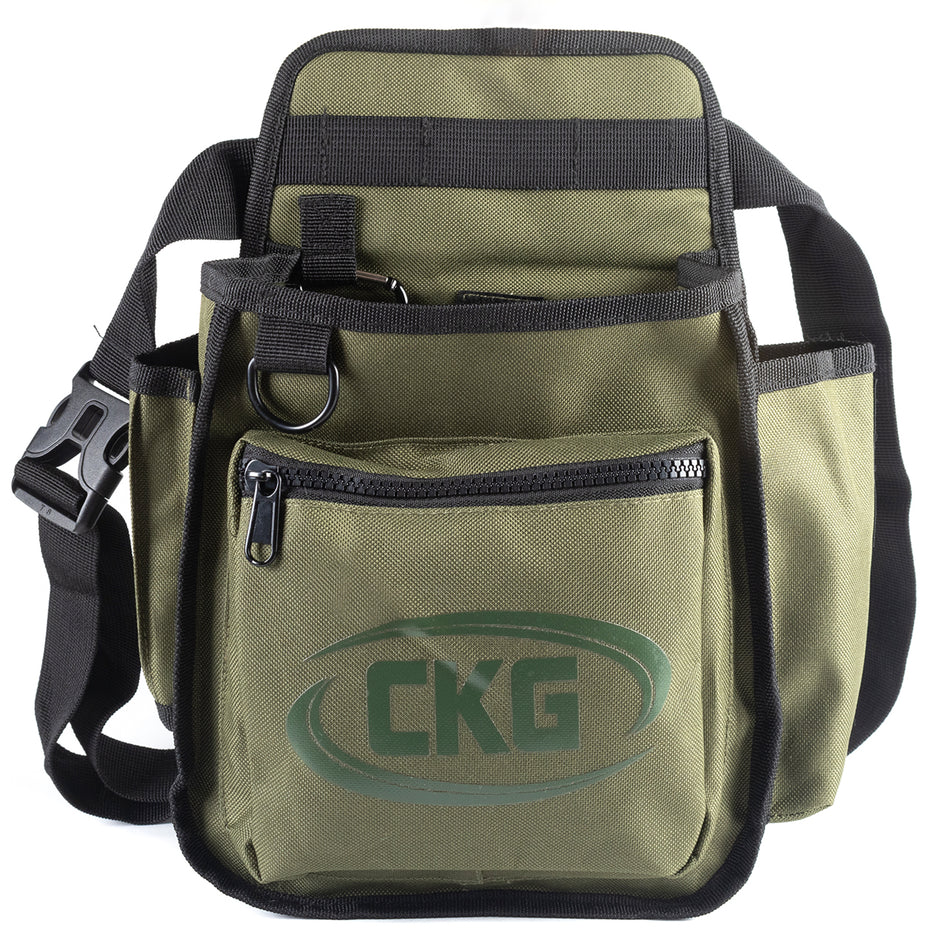
A beach hand scoop for coins and rings works best when paired with a pinpointer and a finds pouch. The scoop lifts the sand, the pinpointer helps locate the target, and the pouch keeps good finds separate from trash. This simple combination can make beach recovery much easier.
For beginners, this is a practical setup. A metal detecting hand scoop for beginners, a pinpointer and a pouch are enough to start learning how beach targets behave in dry sand, soft sand and light wet sand. You do not need a complicated setup right away.
A hand sand scoop for coin recovery or jewelry recovery should have enough holes for fast sand release, but also hold small finds well. Large holes can help with quick sifting, while smaller targets need a basket that does not let them fall through too easily.
Many Users Later Want to Add a Long Handle
Many detectorists start with a hand scoop and later move to a long handle scoop. The reason is simple: long handle saves your back. A short handle means more bending, kneeling or crouching. That may be fine for short hunts, but it can become tiring during longer beach sessions.
A hand sand scoop is still useful, but it is better for short, casual or compact detecting setups. If you detect for hours, a long handle beach scoop can be more comfortable. This is especially true for older detectorists or anyone who wants to reduce bending during target recovery.
Some users look for ways to add a handle to a hand scoop or upgrade to a larger scoop later. That makes sense if beach detecting becomes a regular hobby. A handheld scoop is a good starting point, while a long handle scoop is usually better for long hunts and wet sand.
The right choice depends on your style. If you want something portable and easy to carry, a compact sand scoop is a strong option. If comfort over several hours is the priority, a long handle will usually feel better.
Hole Size and Hole Pattern Matter for Fast Sifting
Hole size and hole pattern matter for fast sifting. A handheld sand scoop with sifting holes should let dry sand fall through quickly while keeping coins, rings and small finds inside. If the holes are too small, recovery becomes slower. If they are too large, smaller targets may be harder to keep.
Some beach scoops use 10mm holes or 12mm holes because they give a good balance between sand flow and target retention. A handheld sand scoop with large holes can be useful in dry sand where fast sand release is important. For jewelry recovery, the basket still needs to hold small finds well.
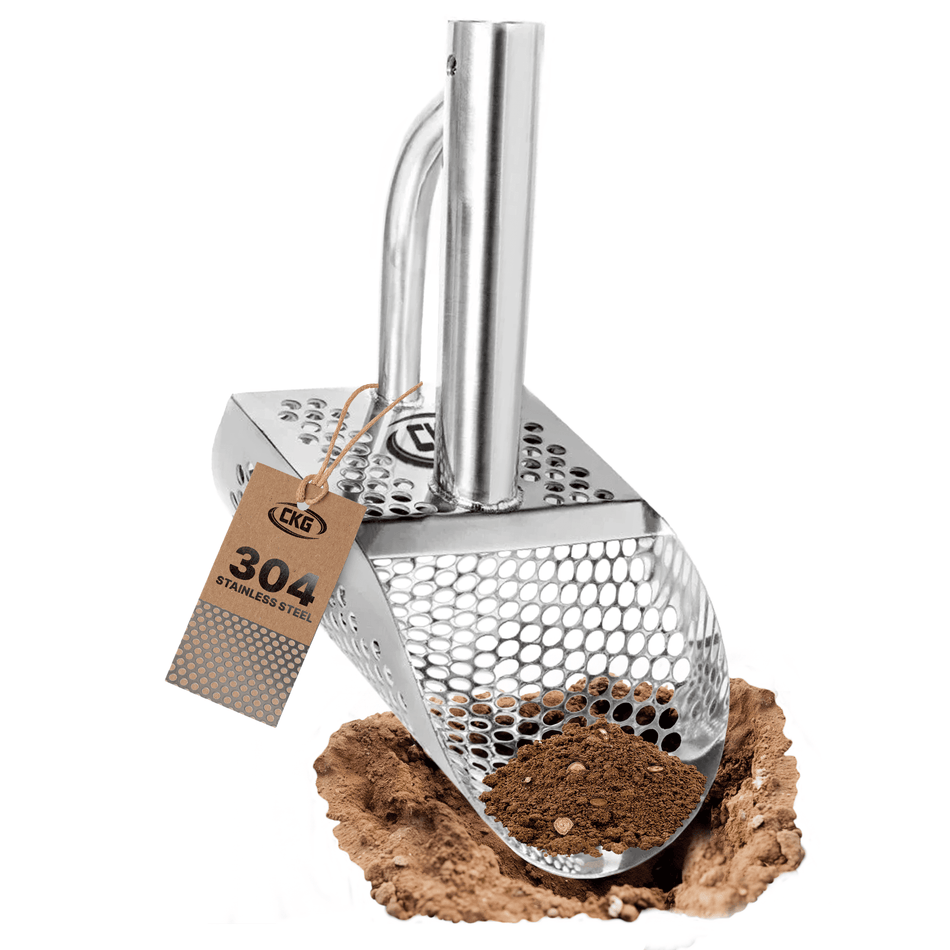
A plastic hand sand scoop for metal detecting can be useful because it is lightweight and non metallic, so it does not trigger the detector. A stainless steel hand sand scoop is usually stronger and more rugged. An aluminum hand sand scoop can be a middle option: lightweight, metal, and often more durable than basic plastic.
The best hand sand scoop for metal detecting depends on where you hunt. For dry beach detecting, a lightweight scoop with a good hole pattern may be enough. For rougher conditions, you may want a stronger metal basket.
Compact Beach Scoop Is Good for Beginners and Occasional Beach Hunts
A compact beach scoop is a good choice for beginners, travelers and occasional beach hunters. It is affordable, easy to carry and does not require much space. If you are just starting metal detecting on beaches, a starter hand sand scoop can help you learn target recovery without buying a large setup right away.
A compact metal detecting scoop for travel is also useful when you do not want to carry heavy gear. It fits into a compact detecting setup and works well with a small pouch, pinpointer and detector. For dry beach sand, this can be enough for a simple and productive hunt.
A portable metal detecting scoop for beach use gives you flexibility. You can use it for dry sand, towel line detecting, soft sand and light shallow water. It is not the best choice for heavy wet sand, but it is a practical tool when portability matters more than maximum digging strength.
If you are looking to buy hand sand scoop products online, check the material, basket size, hole pattern and grip. A comfortable hand grip, strong basket and fast sand release make a big difference. The best handheld sand scoop for beach detecting is the one that fits your real search conditions, not just the one that looks strongest.
Buying a Hand Sand Scoop
When choosing a hand sand scoop for sale, think about how you will use it. For dry sand and towel lines, look for lightweight construction, easy shake design and large enough sifting holes. For travel, choose something compact and portable. For regular beach use, choose a durable and sturdy model that can handle repeated recovery.
A budget hand sand scoop can be enough for casual detecting, but make sure it is not too weak. A cheap scoop that bends or cracks quickly is not a good deal. If you want something stronger, consider a stainless steel hand sand scoop or aluminum hand sand scoop. If you want something that will not interfere with your detector, a non metallic hand sand scoop or plastic scoop may be useful.
A small sand scoop for metal detecting does not need to be complicated. It should be easy to carry, easy to shake and comfortable to hold. For dry sand, loose sand and casual beach detecting, a handheld scoop can be one of the most useful tools in a simple beach detecting setup.